Mastering the Craft of Miniature RTD Assembly
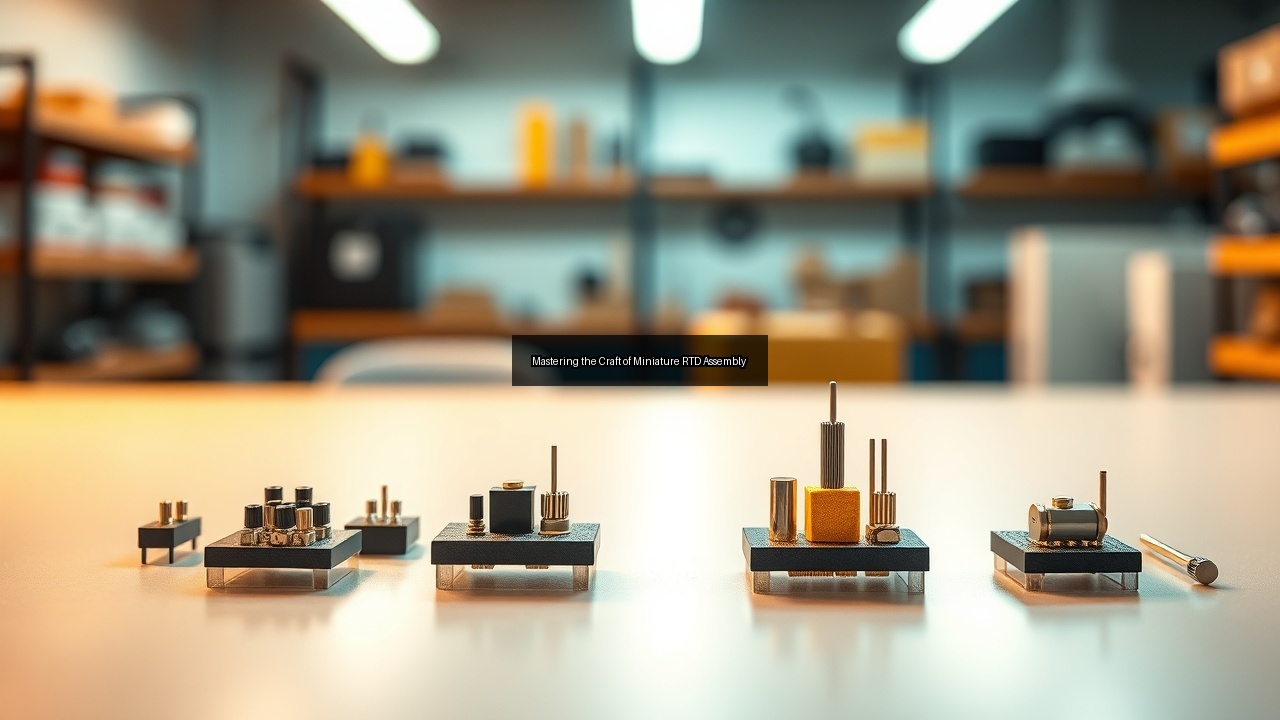
Understanding Miniature RTDs
What Are Miniature RTDs?
Miniature Resistance Temperature Detectors (RTDs) serve as precise temperature sensors, offering remarkable accuracy in compact designs. These devices leverage the principle that the electrical resistance of a metal changes with temperature. The miniaturization of RTDs allows for applications in constrained spaces where traditional sensors might not fit. Their small size makes them ideal for various fields, including aerospace, medical devices, and electronics. Miniature RTDs provide reliable temperature measurements and can withstand challenging environments, making them essential in advanced engineering and scientific applications.
Types of Mini RTDs Available
Several types of miniature RTDs exist, catering to different measurement needs and environmental conditions. Common configurations include thin-film and wire-wound RTDs. Thin-film RTDs offer rapid response times and high accuracy, making them ideal for applications requiring quick temperature changes. Wire-wound RTDs, on the other hand, provide excellent stability and are often used in industrial settings. Additionally, some manufacturers offer 3D-printable miniature RTDs, allowing for customized designs tailored to specific applications. Understanding these types helps engineers select the right miniature RTD for their unique requirements.
Applications of Miniature RTDs
Miniature RTDs find applications across various industries due to their compact size and reliability. In the medical field, they monitor patient temperatures and other vital signs, ensuring precise measurements in small devices. Aerospace engineers utilize miniature RTDs to measure temperatures in aircraft components, where space is limited. In industrial settings, they play a critical role in process control, ensuring that temperature-sensitive materials are maintained within desired ranges. From consumer electronics to high-tech manufacturing, miniature RTDs are integral to ensuring product performance and safety.
Designing Miniature RTDs
Key Considerations in Design
Designing miniature RTDs involves several critical considerations to ensure performance and reliability. Engineers must assess the intended application and environmental conditions, which influence the choice of materials and design features. Temperature range, accuracy requirements, and response time are vital factors in the design process. Additionally, the compact size of miniature RTDs necessitates careful attention to detail in the design to maintain thermal coupling and minimize heat dissipation. A well-thought-out design can significantly enhance the sensor's effectiveness and longevity in its specific application.
Utilizing 3D-Printable Components
3D-printable components revolutionize the design and production of miniature RTDs. This technology allows for rapid prototyping and customization, enabling engineers to create unique housings and support structures tailored to specific needs. 3D printing facilitates the production of complex geometries that traditional manufacturing techniques may struggle to achieve. Using 3D-printed materials, designers can optimize thermal conductivity and insulation properties, enhancing the overall performance of the miniature RTD. The flexibility offered by 3D printing accelerates development cycles and allows for iterative testing and refinement of designs.
Material Selection for Durability
Choosing the right materials is crucial for the durability and performance of miniature RTDs. Engineers typically select metals with high thermal conductivity, such as platinum, for the sensing element due to their reliability and accuracy. The housing materials must withstand environmental stresses, including temperature fluctuations, moisture, and corrosive elements. Common choices include high-grade plastics or metals that offer a balance of strength and weight. Evaluating the end-use environment and potential hazards ensures that the miniature RTD can perform consistently over time without compromising accuracy.
Assembly Techniques for Miniature RTDs
Essential Tools and Equipment
Assembling miniature RTDs requires precision and the right set of tools and equipment. Essential items include soldering tools for connecting the sensing elements, multimeters for testing electrical connections, and specialized fixtures for holding components during assembly. A clean, controlled workspace minimizes contamination and ensures a successful assembly process. Additionally, using magnification tools can aid in handling the tiny components, allowing for precise work. Investing in quality tools and maintaining an organized workspace significantly improves the efficiency and outcome of the assembly process.
Step-by-Step Assembly Process
The assembly process for miniature RTDs follows a systematic approach to ensure accuracy and reliability. Start by preparing the sensing element, ensuring it is clean and free of contaminants. Next, solder the connecting wires to the sensing element with care to avoid overheating. After securely connecting the wires, mount the sensing element into its housing, ensuring proper thermal contact. Once assembled, perform initial electrical tests to confirm proper functionality. Following assembly, encapsulate the RTD to protect it from environmental factors. Document each step to maintain quality control and facilitate troubleshooting.
Common Challenges and Solutions
Assembling miniature RTDs presents unique challenges, including dealing with delicate components and ensuring secure connections. One common issue is overheating during soldering, which can damage the sensing element. To mitigate this, use appropriate soldering techniques and tools, ensuring not to apply excessive heat. Another challenge is achieving proper thermal contact within the housing. Engineers can address this by carefully designing the housing to enhance contact surface areas. Documentation of common issues and their solutions improves overall assembly efficiency and contributes to better training for new technicians.
Testing and Calibration of Miniature RTDs
Importance of Accurate Calibration
Accurate calibration of miniature RTDs is crucial for maintaining their performance and reliability. Calibration ensures that the sensor provides precise temperature readings across its operating range. Without proper calibration, even the best-designed miniature RTD may yield inaccurate data, leading to potential failures in applications where precision is critical. Regular calibration aligns the sensor with established temperature standards, allowing for consistent monitoring and control. Implementing a robust calibration schedule minimizes errors and enhances the overall quality of temperature measurements in any application.
Methods for Testing Mini RTDs
Testing miniature RTDs involves various methods to verify their performance and accuracy. One common approach is to immerse the RTD in a temperature-controlled bath, comparing its readings to known reference temperatures. This method provides a direct assessment of the sensor's accuracy across its operating range. Another technique involves using calibration equipment that simulates various temperature conditions, allowing for thorough testing without the need for a controlled environment. These testing methods ensure that miniature RTDs deliver reliable performance in real-world applications.
Maintaining Performance in Miniature RTDs
Maintaining the performance of miniature RTDs requires attention to proper installation, regular calibration, and environmental considerations. Engineers must ensure that the sensors are installed in locations that allow for accurate readings, free from obstructions or heat sources that could skew results. Regularly scheduled maintenance checks and recalibrations help identify any drift in performance over time, ensuring continued accuracy. Additionally, understanding the environment in which the miniature RTD operates allows for proactive measures to protect it from potential damage, further extending its lifespan and efficacy.