How to Select the Right Backup Ring for High-Pressure Hydraulic Systems
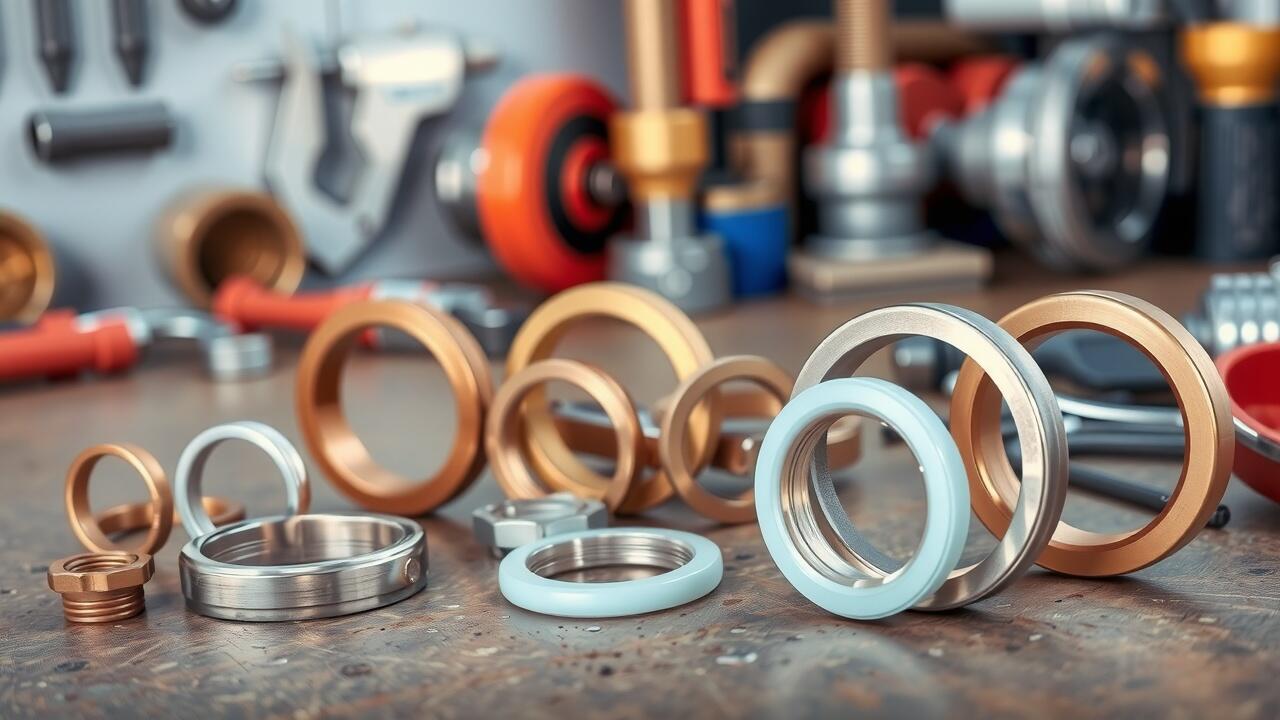
Key Takeaways
- Importance of choosing the right substance for backup rings.
- Frequent errors made when picking backup rings.
- Indicators that your backup rings require changing.
- Benefits of correct setup for enhancing system performance.
Why Does Material Selection Matter?
Choosing the right material for backup rings plays a critical role in enhancing the performance of high-pressure hydraulic systems. For instance, teflon backup rings offer exceptional wear resistance, which can be vital in environments subjected to extreme temperatures and pressures. The unique properties of PTFE back up rings allow them to maintain their integrity longer than many other materials, even when exposed to abrasive fluids. This characteristic can lead to less frequent replacements, saving both time and money in maintenance efforts.
Additionally, understanding the specific requirements of your hydraulic application can prevent failures down the line. Material selection should consider compatibility with the fluids being used; using a thermoplastic material like a PTFE backup ring in a system with harsh chemicals can lead to improved longevity. The standards set by organizations such as ISO emphasize the significance of using appropriate materials to prevent issues like leakage and system inefficiencies. With careful consideration, professionals can derive better operational performance while maximizing the lifespan of their hydraulic systems.
Impact of Material on Performance and Longevity (talk about wear resistance)
Choosing the right material for backup rings is pivotal for their performance and longevity. For instance, a Teflon backup ring boasts excellent wear resistance, making it suitable for high-pressure environments. These rings can endure extreme temperatures and aggressive chemicals, prolonging their service life significantly. When comparing materials, PTFE back up rings often outperform standard rubber options in terms of durability and resistance to abrasives. This leads to fewer maintenance interventions and reduced downtime for hydraulic systems, ultimately saving costs and increasing efficiency.
Evaluating wear patterns can guide the selection process, especially in demanding applications. Regular inspections can reveal the longevity of the selected materials—if the backup rings exhibit signs of excessive wear, then it's time to reassess material choices. Some operators have observed that using PTFE backup rings reduced wear by as much as 30% over time compared to less resilient materials. By prioritizing wear resistance in material selection, systems maintain optimal functionality and enhance fluid containment, reducing leak risks and system failures.
| Material Type | Wear Resistance | Temperature Range (°C) | Chemical Resistance | Typical Applications |
|---|---|---|---|---|
| Teflon (PTFE) | Excellent | -200 to 260 | High | Hydraulic seals, valves |
| Neoprene | Moderate | -40 to 120 | Moderate | General-purpose seals |
| Nitrile (Buna-N) | Good | -40 to 120 | Good | Oil seals, fuel systems |
| Viton | Very Good | -20 to 200 | Excellent | Aerospace, chemical processing |
Common Mistakes in Backup Ring Selection
Many professionals overlook the significance of proper sizing when selecting backup rings. A common pitfall is assuming that a standard size will fit all applications, ignoring specific requirements of the high-pressure hydraulic system. This can lead to premature wear and potential system failures, as the ring may not be able to accommodate the necessary hydraulic pressures effectively. Choosing a PTFE backup ring that matches the exact dimensions can prevent these costly mistakes.
Another mistake involves the selection of materials without considering the operating environment. Opting for a Teflon backup ring without assessing compatibility with the fluids involved can create significant issues. For example, certain chemicals could react adversely, degrading the material and causing leaks or breakdowns. It is crucial to refer to industry standards, such as those from the American National Standards Institute (ANSI), to determine the appropriate material for your specific needs. By avoiding these common errors, you can enhance the reliability and longevity of your hydraulic systems.
Identifying and Avoiding Sizing Errors (how wrong choices lead to failures)
Getting the sizing right with backup rings is crucial to avoiding costly failures down the line. A common pitfall occurs when users select a backup ring that's either too large or too small, which can lead to leaks and inadequate sealing under high pressure. For instance, if a PTFE backup ring doesn't fit snugly within the groove, it may deform under pressure and fail to provide the necessary support, resulting in a catastrophic leak. Sizing standards set by organizations like ISO and ASTM can guide your choices, but always double-check your measurements to ensure optimal performance.
Another significant mistake involves neglecting the compatibility between the chosen backup ring material and the hydraulic fluid in use. For example, while Teflon backup rings offer excellent chemical resistance, they may not withstand high stress levels if the sizing is off. This means operators need to consider both the material properties and the precise dimensions when selecting their backup rings. Conducting regular inspections, using proper gauges, and consulting manufacturers' specifications can greatly help in avoiding these sizing errors, ultimately enhancing system reliability.
3 Signs Your Backup Rings Need Replacement
Frequent inspections reveal three major signs indicating that backup rings need to be replaced. A noticeable change in performance can be the first red flag. For instance, if your hydraulic system starts experiencing higher leakage or pressure drops, the integrity of the seals might be compromised. Another obvious indicator is physical damage. Look for cracks, tears, or deformation on the backup rings, especially around their edges. Teflon backup rings, known for their durability, can still succumb to wear over time, particularly in high-stress environments.
Finally, consider evaluating the frequency of maintenance checks. If you notice you're conducting these checks more often than before, it might suggest the backup rings are nearing the end of their lifespan. Functional tests, combined with visual inspections, offer a solid approach to catch these issues early. Industry standards recommend replacing PTFE backup rings and related components every two to three years, depending on system usage and conditions. Regular assessments can save costs and enhance overall system efficiency.
Recognizing Wear and Tear (visual inspections and functional tests)
Regular visual inspections and functional tests can save significant time and costs associated with premature failures in hydraulic systems. When examining backup rings, look for signs of deformation or abrasions on the surface. For instance, a PTFE backup ring may exhibit wear patterns where it rubbed against the groove. This type of wear can indicate that the backup ring is not seating correctly, leading to improper sealing and potential leaks. Maintaining an inspection schedule every three to six months allows you to catch these issues early, preventing more extensive damage to the system.
Functional tests further evaluate the performance of backup rings. Running a system at varying pressures while monitoring for leaks can provide insights into how well the rings are holding up. For example, if you notice a drop in pressure or fluid escapes, it’s a signal that replacements are necessary. Using a teflon backup ring in an application with high-pressure demands is essential since PTFE back up rings are specifically designed for such environments. Keeping a close eye on both visual indicators and performance metrics will help ensure operational longevity and efficiency in high-pressure hydraulic systems.
How Can Proper Installation Improve System Efficiency?
Proper installation of backup rings greatly enhances the efficiency of high-pressure hydraulic systems. When a Teflon backup ring is installed correctly, it minimizes the risk of extrusion and damage during operation. For instance, PTFE backup rings provide excellent wear resistance, but if they aren’t properly seated or aligned, they can lead to premature wear of both the seals and the sliding surfaces. Ensuring that backup rings fit snugly within the groove dimensions is crucial. A snug fit allows them to perform their intended function, reducing leakage and maintaining system pressure.
Employing best practices during installation can also decrease maintenance downtime. Hydraulic systems that utilize PTFE back up rings have shown a remarkable improvement in longevity when installed using precise torque specifications and suitable tools. For example, a case study with pump systems demonstrated that proper installation techniques reduced failure rates by over 30%. Integrating a detailed installation checklist can help technicians avoid common pitfalls that lead to unwarranted failures and costly repairs, further underscoring the importance of this step in maintaining system efficiency.
Best Practices for Installing Backup Rings (tools and techniques)
When installing backup rings, precision and cleanliness play vital roles in ensuring optimal performance. For instance, using a Teflon backup ring in high-pressure hydraulic systems can enhance wear resistance and extend the life of seals. Always make sure the installation area is free from debris and contaminants; even minor particles can cause significant issues. Additionally, leveraging the right tools can make a huge difference. A dedicated installation tool helps position the PTFE backup rings correctly, reducing the risk of damaging the rings during the process.
Proper alignment is another crucial step. Misalignment can lead to premature wear and even complete system failure. As you install, double-check the orientation of the backup ring; a common error is to install it backwards, which can negate its effectiveness. Following manufacturer guidelines for torque specifications is essential as well. A consistent torque application, along with the right sequence of assembly, ensures even pressure distribution across the components. These simple actions can significantly improve system efficiency and longevity.
FAQS
What are backup rings, and why are they important in hydraulic systems?
Backup rings are used in hydraulic systems to prevent the extrusion of seals under high pressure. They help maintain the integrity of the seal, improving overall performance and extending the life of the system.
What materials are best for backup rings in high-pressure applications?
Materials like PTFE, polyurethane, and rubber blends are commonly recommended for high-pressure applications due to their excellent wear resistance and durability. The right material can significantly impact performance and longevity.
How can I tell if my backup rings need to be replaced?
Look for signs of wear and tear such as visible cracks, deformities, or a decrease in system pressure. Regular visual inspections and functional tests can help you catch issues early.
What are some common mistakes people make when selecting backup rings?
Common mistakes include choosing the wrong size, overlooking material compatibility, and not considering the operating environment. These errors can lead to seal failures and system inefficiencies.
What installation tips can help ensure my backup rings work effectively?
Always follow best practices like using the right tools, ensuring clean surfaces, and checking for proper alignment. Taking your time during the installation process can dramatically improve system efficiency.